
Patch or Replace for Storm Damage in Bryan Texas?
College Station Roofers would rather say a roof can be saved than sell a replacement it does not need; the homeowner makes the decision with full information.
Dial 979-464-6655; tell us what you have noticed and when it started.
The Question Behind Every Roof Problem
Homeowners facing a damaged roof are really choosing between a targeted repair and a full replacement; the evidence on the roof points toward one or the other. Patching a limited problem can extend a healthy roof, while patching a failing roof only delays the inevitable; the condition of the whole roof is the key question.
What Shingles Are Telling You
Cracked, split or blistered shingles point to a surface that has been baked by many summers; widespread wear leans toward replacement. Daylight visible through the roof boards in the attic means the roof has an opening somewhere; a quick walk through the attic reveals much about the roof above.
Where the Trouble Usually Starts
Flashing around chimneys, walls and skylights is a common source of leaks on roofs of every age; the details are small and the consequences can be large. A small detail failure on a young roof is a repair, not a reason to replace; matching the fix to the cause is what a good roofer does.
Age, Heat and the Life of a Roof
Every roof material has a typical working life, but local weather can shorten or extend it; condition matters more than the calendar alone. If a repair would last only a season or two, replacement may be the more sensible plan; a fresh start can be the most practical choice.
Hail, Wind and Fallen Limbs
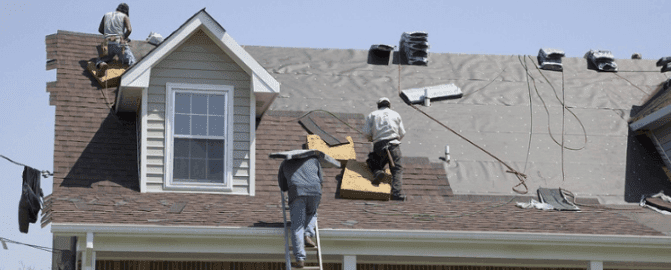
Fast-moving storms can strip shingles from one slope while leaving the other untouched; a calm look at the evidence prevents rushed decisions. If damage is limited to one slope or section, a targeted repair may be enough; a documented inspection helps everyone make a sound decision.
When Only One Slope Needs Work
A section replaced on its own has to be tied in carefully to the older roof around it; a middle path can be the best path. New shingles beside old ones will look different for a while, since the old surface has weathered and faded; looks and durability are both part of the decision.
How Small Jobs Get Done Right
A good repair starts by finding the real source of the leak, which may be far from the stain on the ceiling; a good repair addresses the problem and does not simply hide it. Roofing cement alone is a short-term fix, while proper flashing and sealed shingles are lasting ones; confirmation closes the loop on a repair.
Starting Over With a New Roof
Replacing the whole surface resets the clock on the roof and puts the house on firm footing for the next stretch; the whole roof ages together after a replacement and not in pieces. A roof that has failed in many places is a roof that has finished its work; replacement is a big step, and it can be the right one.
When the Roof Is Not Shingles
Flat membrane roofs may be repaired at the seams or coated when the surface is still sound; the logic of repair versus replacement holds, but the details differ.
Planning a Roof Project Around the Calendar
A roof that is only aging, with no active leaks, gives the owner time to plan; the right timing depends on whether water is getting in. A roof checked before storm season gives the owner a chance to fix small things early; good timing is one of the easiest advantages to gain.
Deciding From a Distance
Remote owners benefit from a roofer who documents the roof carefully and reports plainly; clear communication prevents misunderstandings across miles.
A Flashlight Tour of the Attic
After a hard rain, a quick check of the attic can catch a leak before the ceiling shows it; the extent of staining separates a local leak from a widespread one. Widespread staining across many sections suggests that the whole roof has been letting water through; solid wood below makes a repair worthwhile.
Oaks, Pecans and the Roof Below
Overhanging limbs scrape shingles in the wind and drop acorns, pecans and leaves onto the surface; shade and moisture are slow but steady causes of wear.
Evidence for a Better Decision
Write down when a leak appeared, where it showed up and what the weather was like; good notes make a short conversation far more productive.
Living Through a Repair or a Replacement
A crew that tells the household what to expect each morning makes the project easier to live with; disruption is temporary and the result lasts.
Appearance and the Decision
Buyers and inspectors both look closely at roofs, and visible problems raise questions; looks and function work together on a good roof.
A Maintenance Mindset
Trimming trees, removing debris and cleaning off moss slow the wear on a roof; minor tasks prevent large surprises.
What a Stopgap Can and Cannot Do
A tarp, properly fastened, can keep a house dry for days or weeks while the next step is planned; the final answer still depends on the condition of the roof. Lasting repairs rely on replacing the failed part, not covering it; good roofers know where a patch ends and a repair begins.
Seeking Another Perspective on the Roof
A second visit can confirm a diagnosis or point to something the first look missed; agreement between independent looks is reassuring.
Binoculars Beat Ladders
Checking from the ground and from the attic covers most of what an owner needs to notice; the roof can be examined without risking a fall.
How to Get a Fair Recommendation
A fair roofer will explain what a repair would accomplish and what a replacement would accomplish; confidence comes from understanding the reasons.
Look closely, ask plainly and choose the path the evidence supports. Our team will help you weigh your options on Storm Damage near Bryan Texas; a clear look at the roof is the best first step.
Dial 979-464-6655 and tell us about the trouble; a person will answer and help you take the next step.