
Mend It or Start Fresh With Tile Roof Replacement Near Bryan Texas?
College Station Roofers helps homeowners decide between patching a roof and putting a new one on; a fair assessment starts with a careful look.
Dial 979-464-6655; share the age of the roof if you know it and what has happened to it lately.
Before You Choose Either Path
Whenever a roof shows trouble, there are two honest paths: repair what is wrong or replace the whole surface; the evidence on the roof points toward one or the other. Patching a limited problem can extend a healthy roof, while patching a failing roof only delays the inevitable; the condition of the whole roof is the key question.
Reading the Signs on the Surface
Shingles that curl at the edges or cup in the middle are showing the effects of age and heat; a few scattered issues leave room for a repair. Daylight visible through the roof boards in the attic means the roof has an opening somewhere; clues inside the house show up before clues outside.
The Places Water Finds First
Exposed nail heads and failed sealant at roof edges let moisture reach the deck below; the details are small and the consequences can be large. When the roof around a leak is in good shape, repairing the leak is the sensible move; a repair that lasts is better than a replacement that was never needed.
Age, Heat and the Life of a Roof
Long, hot summers in the Brazos Valley age asphalt shingles faster than milder climates would; age is a clue and not a verdict. When a roof is near the end of its life, repairs tend to come closer together; a fresh start can be the most practical choice.
After a Storm: Triage First, Decisions Second
Hail bruises, lifted shingles and broken limbs may not show from the ground, so a roof inspection is worthwhile; damage can hide in places that are hard to see from the yard. Isolated wind damage can be repaired by replacing lifted or missing shingles and resealing the neighbors; a documented inspection helps everyone make a sound decision.
Matching Old and New Sections
A section replaced on its own has to be tied in carefully to the older roof around it; a middle path can be the best path. Even identical products show a difference between a fresh slope and a weathered one; a sample on the roof beats a description.
Inside a Typical Roof Repair
Careful roofers trace the path of water back to its entry point before making a fix; patience with the search makes for a lasting repair. Mismatched materials, mismatched fasteners and mismatched techniques lead to repeat failures; documentation helps the homeowner trust the work.
Starting Over With a New Roof
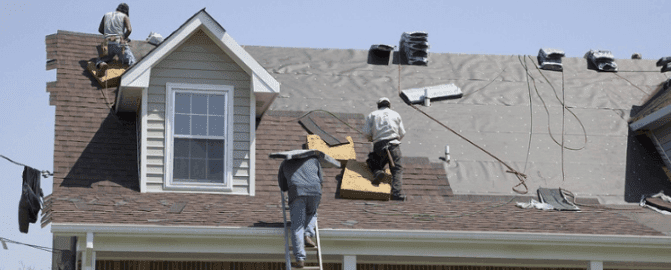
A replacement project usually takes a few days, and the crew works through a set sequence from tear-off to cleanup; a full replacement is a project worth planning carefully. The decision to replace is easier when the deck is sound and the roof has simply worn out; replacement is a big step, and it can be the right one.
When the Roof Is Not Shingles
Flat membrane roofs may be repaired at the seams or coated when the surface is still sound; a specialist is worth consulting for unusual roofs.
Timing, Seasons and Planning Ahead
A roof that is only aging, with no active leaks, gives the owner time to plan; the right timing depends on whether water is getting in. Spring brings storms and a rush of calls, so scheduling can take longer; an early start avoids the rush.
Deciding From a Distance
Remote owners benefit from a roofer who documents the roof carefully and reports plainly; a roof does not care who owns the house, and neither should the care taken.
A Flashlight Tour of the Attic
On a dry day, a flashlight in the attic can show dark stains on the underside of the roof deck; the extent of staining separates a local leak from a widespread one. Rafters and decking that look dry and clean point toward a roof with life left in it; a deck in good shape gives the owner more options.
Trees, Limbs and Debris
Shaded sections of roof stay damp longer and grow algae and moss more readily; trimming back branches protects the roof in every season.
Keeping Records of What You Find
Write down when a leak appeared, where it showed up and what the weather was like; a clear record helps a roofer understand the history.
Living Through a Repair or a Replacement
A replacement brings several days of activity, including noise from tear-off and the steady rhythm of hammers; knowing the schedule lets the household relax.
How the Roof Looks From the Street
A roof covers a large share of what the street sees, so its condition shapes first impressions of a home; looks and function work together on a good roof.
Maintenance That Buys Time
Trimming trees, removing debris and cleaning off moss slow the wear on a roof; a little attention each season goes a long way.
Buying Time for a Thoughtful Choice
Temporary patches stop active leaks so that insulation and ceilings are not soaked during a long decision; a temporary fix is a bridge and not a destination. Lasting repairs rely on replacing the failed part, not covering it; good roofers know where a patch ends and a repair begins.
Seeking Another Perspective on the Roof
Ask each roofer to show the evidence behind the recommendation and compare what each one found; seeking another view is a sign of care and not of distrust.
Binoculars Beat Ladders
A roofer has the equipment and the training to move safely on a roof that a homeowner should not climb; safe observation gathers plenty of evidence.
How to Get a Fair Recommendation
Ask what evidence on the roof supports the recommendation, and ask to see it; the best advisors explain more than they persuade.
The goal is the same either way: a dry, sound house for the seasons ahead. Our office welcomes questions about Tile Roof Replacement from property owners across Bryan Texas; a short conversation can settle a lot of uncertainty.
Call 979-464-6655 to talk through what you have noticed; our team will listen first and then arrange a careful look at the roof.