
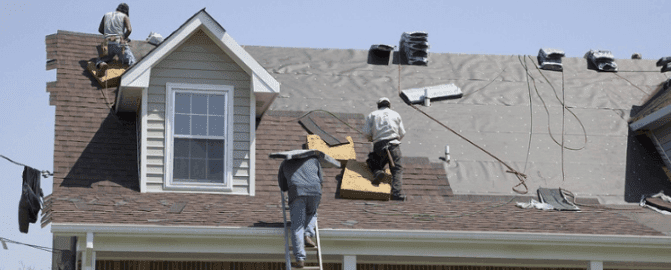
Mend It or Start Fresh With Wood Roofs Near Bryan Texas?
College Station Roofers would rather say a roof can be saved than sell a replacement it does not need; honest advice is the starting point for any good plan.
Phone 979-464-6655; tell us what you have noticed and when it started.
Before You Choose Either Path
Almost every roof problem leads to the same fork in the road: fix the trouble spot or start over with a new surface; neither path is automatically right. The right choice balances what is wrong, how much of the roof it affects and how much life remains; a clear-eyed look at the roof prevents both overspending and underspending.
Surface Signals Worth Noticing
Granules in the gutters and at the base of downspouts show that shingles are shedding their protective coating; widespread wear leans toward replacement. A musty smell in the attic points to moisture that has been collecting for some time; streaks can be cleaned, while leaks must be repaired.
The Places Water Finds First
Exposed nail heads and failed sealant at roof edges let moisture reach the deck below; repairing these spots can protect a roof that is otherwise sound. A small detail failure on a young roof is a repair, not a reason to replace; honest advice can mean recommending a small job.
Sun, Seasons and Wear Over Time
Long, hot summers in the Brazos Valley age asphalt shingles faster than milder climates would; age is a clue and not a verdict. A pattern of repeated leaks in different places suggests a surface that is failing overall; the aim is peace of mind and not a never-ending project.
After a Storm: Triage First, Decisions Second
Spring storms here bring hail, straight-line winds and falling limbs, and all three can damage a roof; temporary protection is quick and keeps options open. When hail has bruised most of the surface, replacement is often the more durable path; the evidence on the roof sets the course.
Middle Paths Between Patch and Full Replacement
A partial replacement can make sense when one slope has failed and the rest of the roof is in decent shape; a slope can be replaced cleanly when the work is planned well. Matching is a practical question as well as a cosmetic one, since different products age at different rates; a sample on the roof beats a description.
What a Repair Involves
Water can travel along rafters and decking before it shows up inside, so the leak and the stain are often apart; a good repair addresses the problem and does not simply hide it. Repairs should be photographed so the homeowner can see what was found and what was done; quality materials and methods make repairs last.
What You Get When the Whole Surface Is Replaced
The roof is treated as a complete system, with every layer from deck to ridge made new; every detail can be addressed at once. Homeowners planning to stay in the house for a long time often prefer one thorough job over many small ones; the decision is easier with clear information.
Repair Versus Replace on Other Materials
Tile roofs often need only broken tiles replaced, provided the underlayment beneath is in good condition; the condition of the layers beneath decides the matter.
When to Act and When to Wait
A small leak is best handled right away, since water damage grows quietly inside walls and ceilings; a deliberate approach is possible when the roof is dry. Planning a replacement a few months out gives time for approvals, material orders and a good schedule; an early start avoids the rush.
Repair or Replace When You Are Away
A landlord weighing a repair against a replacement can ask for both options in writing, with the reasons; clear communication prevents misunderstandings across miles.
Clues From the Attic
Daylight pinpricks around vents and chimneys show gaps that rain can follow; a quick look from inside saves guesswork outside. Widespread staining across many sections suggests that the whole roof has been letting water through; a roof deck is the foundation of the choice.
Living Under Mature Trees
A heavy limb that falls in a storm can puncture shingles, crack the deck or bend flashing; shade and moisture are slow but steady causes of wear.
Photos and Notes That Help
Write down when a leak appeared, where it showed up and what the weather was like; a small file of information can save a long discussion.
Noise, Dust and Daily Routines
A replacement brings several days of activity, including noise from tear-off and the steady rhythm of hammers; knowing the schedule lets the household relax.
Looks Matter Too
Patches in a different shade can stand out against an older roof, which matters to some owners more than others; a clean, even surface says something about the care a home has received.
A Maintenance Mindset
Trimming trees, removing debris and cleaning off moss slow the wear on a roof; a roof that is looked after tends to last.
Tarps, Patches and Stopgaps
A tarp, properly fastened, can keep a house dry for days or weeks while the next step is planned; quick action in the first hours limits the damage that follows. Sealant smeared over a crack may stop a drip for a week, but it rarely lasts through a hot summer; the point of a repair is to stop thinking about it.
Confirming a Diagnosis
Different roofers may weigh the same evidence in different ways, and that is a good reason to ask more than one; agreement between independent looks is reassuring.
Looking From the Ground Is Enough to Start
A roofer has the equipment and the training to move safely on a roof that a homeowner should not climb; sturdy binoculars are a safe and useful tool.
Checking the Reasoning Behind a Recommendation
A fair roofer will explain what a repair would accomplish and what a replacement would accomplish; the best advisors explain more than they persuade.
Look closely, ask plainly and choose the path the evidence supports. We are happy to talk through Wood Roofs for any home in Bryan Texas; a clear look at the roof is the best first step.
Reach our office at 979-464-6655 to set up a visit; our team will listen first and then arrange a careful look at the roof.