
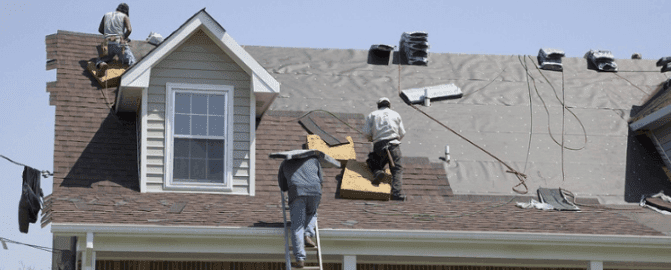
What Should Happen Next With Asphalt Roofs Across Caldwell Texas?
College Station Roofers looks at what the roof is actually doing and lays out the choices in plain terms; honest advice is the starting point for any good plan.
Call 979-464-6655; tell us what you have noticed and when it started.
Repair or Replace: How the Choice Works
Homeowners facing a damaged roof are really choosing between a targeted repair and a full replacement; the goal is a dry house, and either path can get there. A repair makes sense when the damage is limited and the surrounding roof is sound; a clear-eyed look at the roof prevents both overspending and underspending.
Reading the Signs on the Surface
Cracked, split or blistered shingles point to a surface that has been baked by many summers; a few scattered issues leave room for a repair. Stains on the ceiling inside the house are the first sign for many homeowners that water has found a way in; looking from inside and outside gives the full picture.
The Places Water Finds First
Flashing around chimneys, walls and skylights is a common source of leaks on roofs of every age; the details are small and the consequences can be large. When the roof around a leak is in good shape, repairing the leak is the sensible move; a repair that lasts is better than a replacement that was never needed.
How Old Is Too Old?
Long, hot summers in the Brazos Valley age asphalt shingles faster than milder climates would; age is a clue and not a verdict. A roof that needs patching again and again is telling the owner something; the aim is peace of mind and not a never-ending project.
Hail, Wind and Fallen Limbs
Spring storms here bring hail, straight-line winds and falling limbs, and all three can damage a roof; stopping the water comes before settling the plan. When hail has bruised most of the surface, replacement is often the more durable path; the plan follows what was found, whatever the weather was.
Middle Paths Between Patch and Full Replacement
A partial replacement can make sense when one slope has failed and the rest of the roof is in decent shape; an honest roofer will say when a partial job is a good idea and when it is not. Even identical products show a difference between a fresh slope and a weathered one; asking what the finished roof will look like is fair.
The Anatomy of a Good Repair
A good repair starts by finding the real source of the leak, which may be far from the stain on the ceiling; the cause and the symptom live in different places. Roofing cement alone is a short-term fix, while proper flashing and sealed shingles are lasting ones; quality materials and methods make repairs last.
Inside a Roof Replacement
A full replacement removes the old roofing, repairs the deck as needed and installs new underlayment, flashing and surface; the whole roof ages together after a replacement and not in pieces. The decision to replace is easier when the deck is sound and the roof has simply worn out; replacement is a big step, and it can be the right one.
Flat, Metal and Specialty Roofs
Flat membrane roofs may be repaired at the seams or coated when the surface is still sound; matching the approach to the surface prevents wasted effort.
Planning a Roof Project Around the Calendar
Waiting on a known problem lets moisture spread to insulation, drywall and framing; time to plan is a real advantage when a roof is not leaking. A roof checked before storm season gives the owner a chance to fix small things early; planning ahead turns a stressful decision into a manageable one.
Repair or Replace When You Are Away
For a rental, the plan should also cover how tenants will be notified and how access will work; tenants and owners both appreciate clear communication.
A Flashlight Tour of the Attic
A sagging section of deck is a serious sign that wood has been wet for a long time; a quick look from inside saves guesswork outside. If the damage is limited to one area, repair is a reasonable plan; a deck in good shape gives the owner more options.
Living Under Mature Trees
Wet leaf litter in valleys and behind chimneys holds moisture against the roof and encourages decay; tree damage can be dramatic or quiet, and both deserve a look.
Photos and Notes That Help
Keep a simple record of when the roof was installed, if that information is known; a clear record helps a roofer understand the history.
Living Through a Repair or a Replacement
A repair is usually a short visit with limited noise and little disruption to daily routines; planning ahead turns a hassle into a routine.
Appearance and the Decision
Buyers and inspectors both look closely at roofs, and visible problems raise questions; a clean, even surface says something about the care a home has received.
Keeping Repairs Rare
Resealing a few lifted tabs and replacing a cracked vent boot are quick jobs that protect the whole roof; maintenance is the quiet way to get the most from a roof.
Tarps, Patches and Stopgaps
Temporary patches stop active leaks so that insulation and ceilings are not soaked during a long decision; protecting the interior comes first and the permanent plan second. Lasting repairs rely on replacing the failed part, not covering it; a lasting fix addresses the cause and not just the symptom.
Confirming a Diagnosis
Different roofers may weigh the same evidence in different ways, and that is a good reason to ask more than one; a careful roofer will not mind being checked.
Observation Without the Risk
A homeowner can learn a lot from the ground, using binoculars to look at ridges, valleys and flashing; sturdy binoculars are a safe and useful tool.
Questions That Surface the Honest Answer
Ask how long a proposed repair is expected to hold and what would be the next sign of trouble; a good roofer welcomes the questions.
Look closely, ask plainly and choose the path the evidence supports. Our team will help you weigh your options on Asphalt Roofs near Caldwell Texas; no roof question is too small to ask.
Dial 979-464-6655 and tell us about the trouble; a person will answer and help you take the next step.