
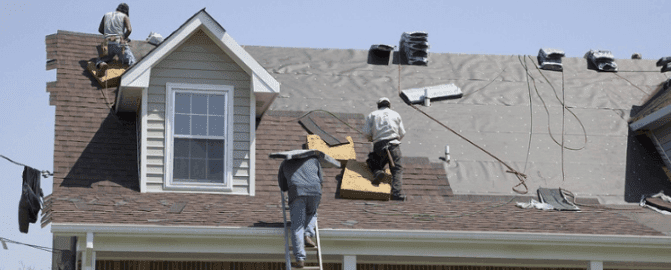
Is It Time to Decide About Asphalt Roofs in College Station Texas?
College Station Roofers helps homeowners decide between patching a roof and putting a new one on; every recommendation should come with a reason.
Ring 979-464-6655; tell us what you have noticed and when it started.
Framing the Decision
Almost every roof problem leads to the same fork in the road: fix the trouble spot or start over with a new surface; good decisions begin with good information. The deciding factor is rarely a single spot, and almost always the overall condition of the roof; a replacement is the better choice when repairs would only chase the next failure.
What Shingles Are Telling You
Cracked, split or blistered shingles point to a surface that has been baked by many summers; curling across a whole slope points to age more than to a single bad shingle. Stains on the ceiling inside the house are the first sign for many homeowners that water has found a way in; a flashlight and ten minutes can say more than a guess from the yard.
Details Behind a Surprising Number of Repairs
Most leaks begin at roof details, not in the open field of the roof; a good repair addresses the cause and not just the stain. If the leak is at a vent boot or a bit of flashing, a targeted fix is often the right answer; matching the fix to the cause is what a good roofer does.
Sun, Seasons and Wear Over Time
A roof that has simply worked for a long time may be near the end of its service whatever the repairs show; careful inspection beats guesswork. When a roof is near the end of its life, repairs tend to come closer together; patching an aging roof is a bit like patching a worn tire.
Hail, Wind and Fallen Limbs
A tarp over an open section buys time and prevents interior damage while decisions are made; stopping the water comes before settling the plan. Isolated wind damage can be repaired by replacing lifted or missing shingles and resealing the neighbors; storm damage can be anywhere from minor to complete.
Sections, Slopes and Partial Replacement
A section replaced on its own has to be tied in carefully to the older roof around it; matching color and wear is the main challenge of a partial job. Matching is a practical question as well as a cosmetic one, since different products age at different rates; a sample on the roof beats a description.
Fixing a Roof the Right Way
The repair itself may be as simple as replacing a vent boot or as involved as rebuilding a section of flashing; the cause and the symptom live in different places. A lasting repair uses materials suited to the roof, not whatever is handy; shortcuts show up again in the next storm.
What a Replacement Involves
A replacement is the chance to correct ventilation, upgrade flashing and fix problems hidden under the old roof; the whole roof ages together after a replacement and not in pieces. When a roof has multiple layers and widespread wear, a full tear-off is the cleanest solution; a well-planned replacement pays off over a long stretch of seasons.
When the Roof Is Not Shingles
Flat membrane roofs may be repaired at the seams or coated when the surface is still sound; a roofer familiar with the material gives the best guidance.
Acting Before the Next Storm Season
Temporary measures such as tarps are available while a larger decision is being made; a deliberate approach is possible when the roof is dry. A roof checked before storm season gives the owner a chance to fix small things early; a calm schedule leads to calmer work.
Rentals, Landlords and Remote Ownership
Owners of rental homes face the same repair-or-replace choice, often with less chance to see the roof themselves; a roof does not care who owns the house, and neither should the care taken.
Clues From the Attic
Daylight pinpricks around vents and chimneys show gaps that rain can follow; a quick look from inside saves guesswork outside. If the damage is limited to one area, repair is a reasonable plan; solid wood below makes a repair worthwhile.
Nature's Contribution to Roof Wear
Overhanging limbs scrape shingles in the wind and drop acorns, pecans and leaves onto the surface; a roof under trees needs a little extra attention.
Keeping Records of What You Find
Write down when a leak appeared, where it showed up and what the weather was like; a small file of information can save a long discussion.
What to Expect at Home Either Way
A repair is usually a short visit with limited noise and little disruption to daily routines; good communication matters as much as good workmanship.
Appearance and the Decision
Buyers and inspectors both look closely at roofs, and visible problems raise questions; looks and function work together on a good roof.
A Maintenance Mindset
A yearly check by a roofer catches loose flashing, cracked boots and lifted shingles while they are small; a little attention each season goes a long way.
Buying Time for a Thoughtful Choice
Temporary patches stop active leaks so that insulation and ceilings are not soaked during a long decision; the final answer still depends on the condition of the roof. Sealant smeared over a crack may stop a drip for a week, but it rarely lasts through a hot summer; a lasting fix addresses the cause and not just the symptom.
When a Second Opinion Helps
A second opinion is a reasonable step when a recommendation feels rushed or unclear; a careful roofer will not mind being checked.
Why Climbing Up Yourself Is Not the Answer
Roofs are slippery, hot and steep, and falls from them are a real hazard; sturdy binoculars are a safe and useful tool.
Questions That Surface the Honest Answer
A trustworthy assessment names what is known, what is uncertain and what would change the advice; a recommendation backed by evidence is easy to trust.
Look closely, ask plainly and choose the path the evidence supports. Our team will help you weigh your options on Asphalt Roofs near College Station Texas; no roof question is too small to ask.
Call 979-464-6655 to talk through what you have noticed; our team will listen first and then arrange a careful look at the roof.