
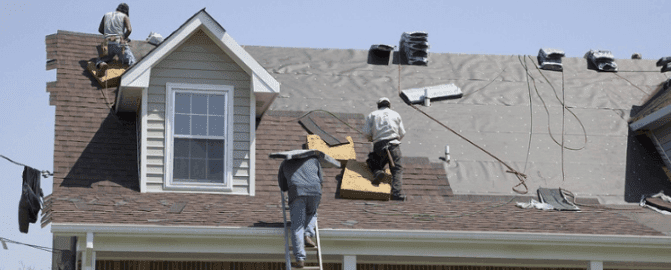
Mend It or Start Fresh With Hail Damage Roof Repair Near College Station Texas?
College Station Roofers helps homeowners decide between patching a roof and putting a new one on; honest advice is the starting point for any good plan.
Ring 979-464-6655; give us the address and a short description of what is going on.
Before You Choose Either Path
Almost every roof problem leads to the same fork in the road: fix the trouble spot or start over with a new surface; neither path is automatically right. Replacement makes sense when the problems are widespread or the whole surface is worn out; the condition of the whole roof is the key question.
Curling, Cracking and Granule Loss
Bare, shiny patches on a shingle mean the mineral surface has worn away; widespread wear leans toward replacement. A musty smell in the attic points to moisture that has been collecting for some time; a flashlight and ten minutes can say more than a guess from the yard.
Flashing, Vents and Valley Metal
Most leaks begin at roof details, not in the open field of the roof; repairing these spots can protect a roof that is otherwise sound. Replacing one failed component is one of the most economical ways to protect a house; a repair that lasts is better than a replacement that was never needed.
When a Roof Reaches the End
Intense sun dries out the asphalt in shingles, making them brittle and more likely to crack; age is a clue and not a verdict. If a repair would last only a season or two, replacement may be the more sensible plan; patching an aging roof is a bit like patching a worn tire.
First Steps When Weather Has Struck
Fast-moving storms can strip shingles from one slope while leaving the other untouched; a calm look at the evidence prevents rushed decisions. Isolated wind damage can be repaired by replacing lifted or missing shingles and resealing the neighbors; the plan follows what was found, whatever the weather was.
Middle Paths Between Patch and Full Replacement
Sometimes the damage or wear is concentrated on one slope, and replacing just that section is a reasonable option; a slope can be replaced cleanly when the work is planned well. Discontinued shingle lines can make an exact match impossible, which is worth knowing before work begins; the owner should hear the tradeoffs before choosing.
How Small Jobs Get Done Right
A good repair starts by finding the real source of the leak, which may be far from the stain on the ceiling; patience with the search makes for a lasting repair. Mismatched materials, mismatched fasteners and mismatched techniques lead to repeat failures; documentation helps the homeowner trust the work.
Starting Over With a New Roof
Replacing the whole surface resets the clock on the roof and puts the house on firm footing for the next stretch; a fresh roof is a clean slate for the house. If repairs are piling up, a replacement ends the cycle of patches; replacement is a big step, and it can be the right one.
Flat, Metal and Specialty Roofs
Flat membrane roofs may be repaired at the seams or coated when the surface is still sound; a specialist is worth consulting for unusual roofs.
Choosing the Right Moment
Scheduling work outside the busiest storm weeks leaves more choices open; prompt action on active leaks saves a great deal of trouble. Roofs that were stressed by summer heat show their weak points clearly by autumn; good timing is one of the easiest advantages to gain.
Deciding From a Distance
Photographs, written findings and a clear scope let an owner decide without being on site; written options make the decision easier and the record cleaner.
What the Underside of a Roof Reveals
After a hard rain, a quick check of the attic can catch a leak before the ceiling shows it; attic findings help decide how deep the trouble goes. Rafters and decking that look dry and clean point toward a roof with life left in it; solid wood below makes a repair worthwhile.
Leaf Litter and Limb Damage
Wet leaf litter in valleys and behind chimneys holds moisture against the roof and encourages decay; tree damage can be dramatic or quiet, and both deserve a look.
Keeping Records of What You Find
Pictures of each slope from the yard make it easy to compare conditions over time; a record builds confidence in the plan that follows.
Disruption in Proportion to the Job
A repair is usually a short visit with limited noise and little disruption to daily routines; disruption is temporary and the result lasts.
Appearance, Resale and Curb Appeal
A roof covers a large share of what the street sees, so its condition shapes first impressions of a home; a clean, even surface says something about the care a home has received.
Keeping Repairs Rare
A yearly check by a roofer catches loose flashing, cracked boots and lifted shingles while they are small; maintenance is the quiet way to get the most from a roof.
Tarps, Patches and Stopgaps
Temporary patches stop active leaks so that insulation and ceilings are not soaked during a long decision; quick action in the first hours limits the damage that follows. Lasting repairs rely on replacing the failed part, not covering it; a quick patch can be a good tool in the right place.
Two Sets of Eyes
When two roofers reach the same conclusion on their own, the owner can feel confident in the plan; seeking another view is a sign of care and not of distrust.
Looking From the Ground Is Enough to Start
A homeowner can learn a lot from the ground, using binoculars to look at ridges, valleys and flashing; sturdy binoculars are a safe and useful tool.
How to Get a Fair Recommendation
It is reasonable to ask for the repair option and the replacement option to be described side by side; honest answers come easily to those who have looked closely.
Look closely, ask plainly and choose the path the evidence supports. Our crew is glad to go over Hail Damage Roof Repair with homeowners around College Station Texas; questions are always welcome.
Call 979-464-6655 to talk through what you have noticed; our crew will climb up, inspect the roof and explain what they find.