
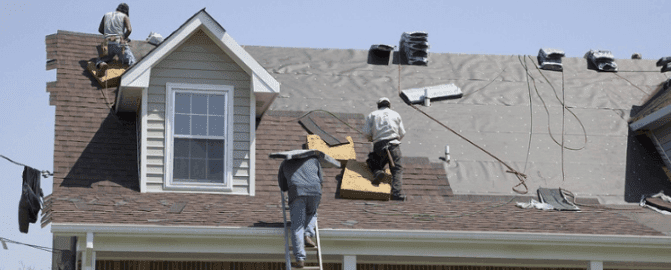
Patch or Replace for Residential Roof Services in College Station Texas?
College Station Roofers would rather say a roof can be saved than sell a replacement it does not need; every recommendation should come with a reason.
Phone 979-464-6655; describe the stains, leaks or missing shingles that worried you.
Framing the Decision
A roof that is leaking or worn raises one big question, whether to mend what is there or replace it; a clear picture of the roof makes the choice much simpler. Patching a limited problem can extend a healthy roof, while patching a failing roof only delays the inevitable; a replacement is the better choice when repairs would only chase the next failure.
Surface Signals Worth Noticing
Shingles that curl at the edges or cup in the middle are showing the effects of age and heat; curling across a whole slope points to age more than to a single bad shingle. Stains on the ceiling inside the house are the first sign for many homeowners that water has found a way in; clues inside the house show up before clues outside.
Where the Trouble Usually Starts
Flashing around chimneys, walls and skylights is a common source of leaks on roofs of every age; the details are small and the consequences can be large. Replacing one failed component is one of the most economical ways to protect a house; matching the fix to the cause is what a good roofer does.
When a Roof Reaches the End
Every roof material has a typical working life, but local weather can shorten or extend it; condition matters more than the calendar alone. When a roof is near the end of its life, repairs tend to come closer together; the trend matters as much as the latest leak.
Sorting Out Storm Damage
After severe weather, the first step is to protect the house from further water, not to decide on a final plan; stopping the water comes before settling the plan. Isolated wind damage can be repaired by replacing lifted or missing shingles and resealing the neighbors; the evidence on the roof sets the course.
When Only One Slope Needs Work
The south and west slopes take the most sun, so they often wear out before the north and east slopes do; the choice depends on how much life the rest of the roof has left. A partial job leaves the older sections to wear out on their own schedule; a sample on the roof beats a description.
What a Repair Involves
Careful roofers trace the path of water back to its entry point before making a fix; patience with the search makes for a lasting repair. After the work, a water test or a check after the next rain confirms that the leak is gone; quality materials and methods make repairs last.
The Scope of a Full Roof Replacement
Replacing the whole surface resets the clock on the roof and puts the house on firm footing for the next stretch; the open roof is a chance to fix everything at once. A roof that has failed in many places is a roof that has finished its work; comfort and confidence are part of the benefit.
Different Surfaces, Different Answers
Tile roofs often need only broken tiles replaced, provided the underlayment beneath is in good condition; matching the approach to the surface prevents wasted effort.
Timing, Seasons and Planning Ahead
Temporary measures such as tarps are available while a larger decision is being made; a deliberate approach is possible when the roof is dry. A roof checked before storm season gives the owner a chance to fix small things early; planning ahead turns a stressful decision into a manageable one.
Repair or Replace When You Are Away
Remote owners benefit from a roofer who documents the roof carefully and reports plainly; clear communication prevents misunderstandings across miles.
What the Underside of a Roof Reveals
Damp insulation, rusty nail tips and water trails on rafters mark places where moisture has been coming in; attic findings help decide how deep the trouble goes. Mold or mildew on attic wood suggests long-term moisture or poor ventilation; wood condition is one of the strongest clues in the decision.
Oaks, Pecans and the Roof Below
Shaded sections of roof stay damp longer and grow algae and moss more readily; a roof under trees needs a little extra attention.
Documenting the Roof Before You Decide
Write down when a leak appeared, where it showed up and what the weather was like; a clear record helps a roofer understand the history.
What to Expect at Home Either Way
A crew that tells the household what to expect each morning makes the project easier to live with; disruption is temporary and the result lasts.
Looks Matter Too
Patches in a different shade can stand out against an older roof, which matters to some owners more than others; the best roof looks right and works right.
Maintenance That Buys Time
Clearing gutters and valleys each season keeps water moving and keeps moisture off the shingles; a little attention each season goes a long way.
Tarps, Patches and Stopgaps
A tarp, properly fastened, can keep a house dry for days or weeks while the next step is planned; protecting the interior comes first and the permanent plan second. Roofing cement slathered on a failing spot can hide a problem rather than solve it; a quick patch can be a good tool in the right place.
Seeking Another Perspective on the Roof
When two roofers reach the same conclusion on their own, the owner can feel confident in the plan; a roof deserves a thorough look.
Looking From the Ground Is Enough to Start
A roofer has the equipment and the training to move safely on a roof that a homeowner should not climb; a professional look can follow whatever the ground check suggests.
Asking for Both Options
Ask how long a proposed repair is expected to hold and what would be the next sign of trouble; a good roofer welcomes the questions.
The goal is the same either way: a dry, sound house for the seasons ahead. Our crew is glad to go over Residential Roof Services with homeowners around College Station Texas; good decisions start with good information.
Dial 979-464-6655 and tell us about the trouble; we will go over the evidence and lay out the options plainly.