
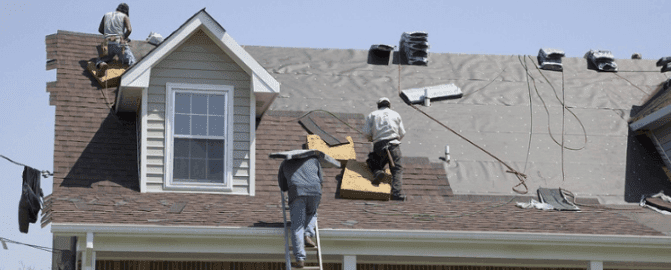
Is It Time to Decide About Tile Roof Replacement in College Station Texas?
College Station Roofers helps homeowners decide between patching a roof and putting a new one on; a fair assessment starts with a careful look.
Ring 979-464-6655; give us the address and a short description of what is going on.
Repair or Replace: How the Choice Works
A roof that is leaking or worn raises one big question, whether to mend what is there or replace it; good decisions begin with good information. The deciding factor is rarely a single spot, and almost always the overall condition of the roof; a replacement is the better choice when repairs would only chase the next failure.
Reading the Signs on the Surface
Shingles that curl at the edges or cup in the middle are showing the effects of age and heat; a few scattered issues leave room for a repair. Stains on the ceiling inside the house are the first sign for many homeowners that water has found a way in; looking from inside and outside gives the full picture.
Weak Spots That Cause Most Leaks
Most leaks begin at roof details, not in the open field of the roof; a good repair addresses the cause and not just the stain. A small detail failure on a young roof is a repair, not a reason to replace; matching the fix to the cause is what a good roofer does.
When a Roof Reaches the End
A roof that has simply worked for a long time may be near the end of its service whatever the repairs show; age is a clue and not a verdict. When a roof is near the end of its life, repairs tend to come closer together; the aim is peace of mind and not a never-ending project.
Hail, Wind and Fallen Limbs
Spring storms here bring hail, straight-line winds and falling limbs, and all three can damage a roof; a thorough check finds the damage that matters. When hail has bruised most of the surface, replacement is often the more durable path; the evidence on the roof sets the course.
Replacing Part of a Roof
A section replaced on its own has to be tied in carefully to the older roof around it; a middle path can be the best path. New shingles beside old ones will look different for a while, since the old surface has weathered and faded; looks and durability are both part of the decision.
Fixing a Roof the Right Way
Water can travel along rafters and decking before it shows up inside, so the leak and the stain are often apart; patience with the search makes for a lasting repair. After the work, a water test or a check after the next rain confirms that the leak is gone; a repair is only worth doing if it holds.
Starting Over With a New Roof
A replacement is the chance to correct ventilation, upgrade flashing and fix problems hidden under the old roof; a full replacement is a project worth planning carefully. Homeowners planning to stay in the house for a long time often prefer one thorough job over many small ones; a well-planned replacement pays off over a long stretch of seasons.
Repair Versus Replace on Other Materials
Tile roofs often need only broken tiles replaced, provided the underlayment beneath is in good condition; matching the approach to the surface prevents wasted effort.
Planning a Roof Project Around the Calendar
Waiting on a known problem lets moisture spread to insulation, drywall and framing; a deliberate approach is possible when the roof is dry. Late summer and fall are popular for planned replacements, as the weather is steadier and calendars are friendlier; planning ahead turns a stressful decision into a manageable one.
Rentals, Landlords and Remote Ownership
A landlord weighing a repair against a replacement can ask for both options in writing, with the reasons; good documentation makes distance irrelevant.
What the Underside of a Roof Reveals
Damp insulation, rusty nail tips and water trails on rafters mark places where moisture has been coming in; attic findings help decide how deep the trouble goes. If the damage is limited to one area, repair is a reasonable plan; solid wood below makes a repair worthwhile.
Oaks, Pecans and the Roof Below
Overhanging limbs scrape shingles in the wind and drop acorns, pecans and leaves onto the surface; clearing debris is a simple chore that prevents bigger repairs.
Keeping Records of What You Find
Write down when a leak appeared, where it showed up and what the weather was like; a clear record helps a roofer understand the history.
Noise, Dust and Daily Routines
A crew that tells the household what to expect each morning makes the project easier to live with; knowing the schedule lets the household relax.
How the Roof Looks From the Street
A roof covers a large share of what the street sees, so its condition shapes first impressions of a home; a clean, even surface says something about the care a home has received.
Keeping Repairs Rare
Trimming trees, removing debris and cleaning off moss slow the wear on a roof; a little attention each season goes a long way.
Tarps, Patches and Stopgaps
Tarps need secure fastening, since a loose one in a spring wind can do more harm than good; the final answer still depends on the condition of the roof. Sealant smeared over a crack may stop a drip for a week, but it rarely lasts through a hot summer; good roofers know where a patch ends and a repair begins.
Seeking Another Perspective on the Roof
A second opinion is a reasonable step when a recommendation feels rushed or unclear; a careful roofer will not mind being checked.
Looking From the Ground Is Enough to Start
A homeowner can learn a lot from the ground, using binoculars to look at ridges, valleys and flashing; leave the climbing to the people with the harnesses.
Making the Decision With Confidence
Ask what evidence on the roof supports the recommendation, and ask to see it; a recommendation backed by evidence is easy to trust.
A roof tells its story through shingles, flashing, attic and ceilings, and a careful reader can follow it. Ask our crew about Tile Roof Replacement anywhere in College Station Texas; good decisions start with good information.
Call 979-464-6655 to talk through what you have noticed; our team will listen first and then arrange a careful look at the roof.