
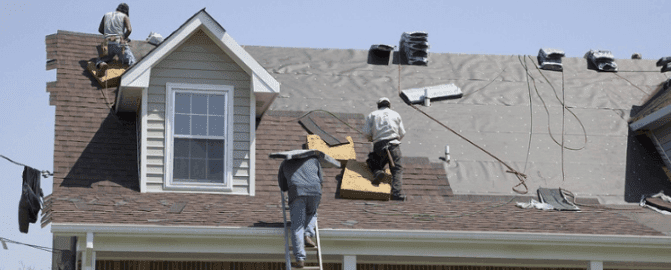
What Should Happen Next With Wind Damage Roofs Across Navasota Texas?
College Station Roofers helps homeowners decide between patching a roof and putting a new one on; the right answer depends on the roof and not on a script.
Reach our office at 979-464-6655; share the age of the roof if you know it and what has happened to it lately.
Two Paths for a Troubled Roof
A roof that is leaking or worn raises one big question, whether to mend what is there or replace it; a clear picture of the roof makes the choice much simpler. Patching a limited problem can extend a healthy roof, while patching a failing roof only delays the inevitable; a clear-eyed look at the roof prevents both overspending and underspending.
Visible Clues From the Yard
Cracked, split or blistered shingles point to a surface that has been baked by many summers; a few scattered issues leave room for a repair. Moss and lichen hold moisture against shingles and can lift their edges over time; looking from inside and outside gives the full picture.
Where the Trouble Usually Starts
Valleys carry more water than any other part of a roof, so wear shows up there first; the details are small and the consequences can be large. Replacing one failed component is one of the most economical ways to protect a house; the roof does not have to be replaced because one part has failed.
Sun, Seasons and Wear Over Time
Every roof material has a typical working life, but local weather can shorten or extend it; age is a clue and not a verdict. If a repair would last only a season or two, replacement may be the more sensible plan; a good roofer helps the owner see the pattern.
Sorting Out Storm Damage
After severe weather, the first step is to protect the house from further water, not to decide on a final plan; a thorough check finds the damage that matters. A tree through the roof requires deck repair and often a larger section of new roofing; the evidence on the roof sets the course.
Sections, Slopes and Partial Replacement
A section replaced on its own has to be tied in carefully to the older roof around it; a slope can be replaced cleanly when the work is planned well. Even identical products show a difference between a fresh slope and a weathered one; a sample on the roof beats a description.
Fixing a Roof the Right Way
Careful roofers trace the path of water back to its entry point before making a fix; a fix at the wrong spot does not stop the leak. After the work, a water test or a check after the next rain confirms that the leak is gone; quality materials and methods make repairs last.
Inside a Roof Replacement
A full replacement removes the old roofing, repairs the deck as needed and installs new underlayment, flashing and surface; a full replacement is a project worth planning carefully. The decision to replace is easier when the deck is sound and the roof has simply worn out; knowing the roof is sound brings real peace of mind.
Repair Versus Replace on Other Materials
Wood shingles may be repaired by replacing split pieces, though widespread decay points toward replacement; matching the approach to the surface prevents wasted effort.
Planning a Roof Project Around the Calendar
Temporary measures such as tarps are available while a larger decision is being made; the right timing depends on whether water is getting in. Planning a replacement a few months out gives time for approvals, material orders and a good schedule; an early start avoids the rush.
Making the Call on a Property You Do Not Live In
A landlord weighing a repair against a replacement can ask for both options in writing, with the reasons; written options make the decision easier and the record cleaner.
What the Underside of a Roof Reveals
Damp insulation, rusty nail tips and water trails on rafters mark places where moisture has been coming in; a quick look from inside saves guesswork outside. Mold or mildew on attic wood suggests long-term moisture or poor ventilation; solid wood below makes a repair worthwhile.
Oaks, Pecans and the Roof Below
Shaded sections of roof stay damp longer and grow algae and moss more readily; a roof under trees needs a little extra attention.
Building a Clear Picture
Save the dates of past repairs and any notes about materials used; a small file of information can save a long discussion.
Living Through a Repair or a Replacement
A crew that tells the household what to expect each morning makes the project easier to live with; knowing the schedule lets the household relax.
The Roof as Part of the House's Face
A home that will soon be sold may benefit from a roof that looks and performs well; the best roof looks right and works right.
Maintenance That Buys Time
Trimming trees, removing debris and cleaning off moss slow the wear on a roof; minor tasks prevent large surprises.
Holding the Line Until a Decision Is Made
Temporary patches stop active leaks so that insulation and ceilings are not soaked during a long decision; quick action in the first hours limits the damage that follows. A temporary seal that keeps cracking is a sign that the area needs a proper repair or a larger plan; a quick patch can be a good tool in the right place.
Two Sets of Eyes
Different roofers may weigh the same evidence in different ways, and that is a good reason to ask more than one; a careful roofer will not mind being checked.
Why Climbing Up Yourself Is Not the Answer
Walking the yard after a storm shows shingle debris, fallen limbs and dents in gutters; safe observation gathers plenty of evidence.
Checking the Reasoning Behind a Recommendation
A trustworthy assessment names what is known, what is uncertain and what would change the advice; confidence comes from understanding the reasons.
A roof tells its story through shingles, flashing, attic and ceilings, and a careful reader can follow it. Our team will help you weigh your options on Wind Damage Roofs near Navasota Texas; no roof question is too small to ask.
Call 979-464-6655 to talk through what you have noticed; a person will answer and help you take the next step.