
Who Should You Call for Roofer Company in Bryan Texas?
College Station Roofers sees a good first conversation as the best preview of how a job will go; plain language is the standard for every explanation.
Reach our office on 979-464-6655; let us know what you would like looked at and when you are home.
Opening the Conversation With a Roofer
Ask who will be standing on your roof and who will be answering your calls; names and roles are easy to share when a crew is organized. See whether the roofer can point to evidence for each recommendation; a recommendation without a reason deserves another question. Find out how surprises under the old roofing are explained and approved; agreeing on a process in advance keeps the conversation friendly later.
Reading a Written Scope Line by Line
Look for a scope that lists tear-off, underlayment, flashing, vents and ridge as separate lines; line items turn a handshake into something both sides can follow. Notice whether the paperwork says what will be used or merely that something will be; specific products make fair comparisons between crews possible. Find out how the property will be protected, from the flowerbeds to the pool deck; good housekeeping starts the moment the first bundle is unloaded.
The People on Your Roof
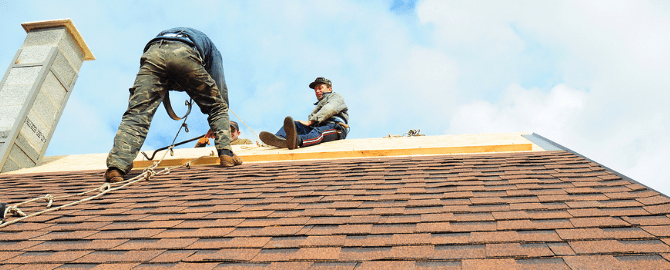
The crew on a roof may belong to the company or to a trusted subcontractor; knowing the arrangement tells a homeowner who to call. A site lead who walks the roof at the end of each day is worth having; a present lead is one of the strongest signs of a well-run job. A good crew greets the homeowner on the first morning and explains the day ahead; explaining in advance beats apologizing afterward.
Planning a Roof Job Around Local Skies
In this part of the state, a clear morning can turn into a stormy afternoon, and a careful roofer prepares for it; good crews carry tarps and the habit of using them. The summer sun makes a roof one of the hottest places on the property, and crews adjust their hours to match; timing is a quiet sign of a well-run operation. Cooler months can be a comfortable time for roof work, though a surprise cold snap is always possible; a homeowner who plans ahead has more control over the timing.
Life on the Job Site From Day to Day
Expect noise from the first morning, since tearing off old shingles is loud work; the loud stage is short and the quiet that follows is welcome. Pictures on the walls and items in the attic may shift during work, so it is smart to move fragile things beforehand; the crew works better in a clear space, and the house stays safer. The last task each day should be tarping any exposed deck and gathering the debris; closing procedures matter as much as opening ones.
Handling Surprises Under the Old Roof
A roof deck can look fine from the attic and still hold a problem that appears only at tear-off; the right response is a conversation and not a surprise on the invoice. A written change to the plan protects both the homeowner and the roofer; a record keeps the job honest from both sides.
Keeping a Paper Trail for the Roof
Pictures of the work in progress let an owner see parts of the roof that will soon be covered; images speak louder than promises. Writing down what was installed makes any future repair or matching job much simpler; the information is worth far more than the minute it takes to save it.
Roof Work When You Do Not Live There
Owners who are away can ask a roofer for regular progress notes and a final walk-through by photos or video; the roof does not care who owns the house, and neither should the quality of the work. Ask the roofer to confirm access arrangements before the first truck arrives; smooth access means faster, quieter, safer work.
Weighing One Roofer Against Another
Lay the proposals next to each other and compare the scope before anything else; two proposals that look alike may describe very different jobs. Think about which crew explained things best and which left you with doubts; clear answers are a feature, and a hard one to fake.
Specialists, Generalists and the Right Fit
A roofer who works mostly on houses may handle a flat building roof differently from one who works on warehouses; a crew that knows the material works faster and cleaner. Ask to see photographs of finished roofs like yours; pictures and stories are better evidence than adjectives. Rural properties around the area carry metal roofs on barns, shops and outbuildings, and those call for their own skills; variety is the norm across the Brazos Valley and no crew masters it all.
Punctuality and Follow-Through
Notice whether calls are returned and whether appointments start when promised; courtesy is not a luxury on a job that lasts several days. Silence while a proposal is being prepared is a signal worth heeding; a homeowner should know where the project stands at all times.
Local Requirements Worth Knowing About
Before choosing a new roof, a homeowner in an association may need to submit the product for approval; a sample and a spec sheet satisfy most boards. It is fair to ask how the crew keeps up with local requirements; a clear answer is a mark of a crew that works carefully.
Wrapping Up a Roof Job Well
Go through the scope item by item and confirm each task is complete; closing out a job properly is part of doing it properly. After the first big rain, glance at the ceilings and the attic for any sign of moisture; the first storm is a good test of any new roof.
The best roof jobs are built on understanding, and understanding starts with asking. We invite you to ask us anything about Roofer Company across Bryan Texas; questions are always the right place to begin.
Dial 979-464-6655 and let us know about your roof; our crew will come out, climb up and tell you what they find.