
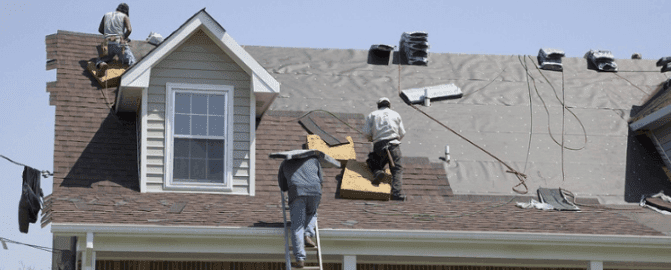
Patch or Replace for Asphalt Roof Company in Services?
College Station Roofers helps homeowners decide between patching a roof and putting a new one on; the homeowner makes the decision with full information.
Ring 979-464-6655; describe the stains, leaks or missing shingles that worried you.
Two Paths for a Troubled Roof
Homeowners facing a damaged roof are really choosing between a targeted repair and a full replacement; neither path is automatically right. A repair makes sense when the damage is limited and the surrounding roof is sound; a clear-eyed look at the roof prevents both overspending and underspending.
Visible Clues From the Yard
Cracked, split or blistered shingles point to a surface that has been baked by many summers; curling across a whole slope points to age more than to a single bad shingle. Stains on the ceiling inside the house are the first sign for many homeowners that water has found a way in; a quick walk through the attic reveals much about the roof above.
Flashing, Vents and Valley Metal
Flashing around chimneys, walls and skylights is a common source of leaks on roofs of every age; a thorough roofer checks every one of them. A repair at one of these points can give a sound roof many more seasons of service; a repair that lasts is better than a replacement that was never needed.
How Old Is Too Old?
Long, hot summers in the Brazos Valley age asphalt shingles faster than milder climates would; age is a clue and not a verdict. A pattern of repeated leaks in different places suggests a surface that is failing overall; patching an aging roof is a bit like patching a worn tire.
Sorting Out Storm Damage
Fast-moving storms can strip shingles from one slope while leaving the other untouched; stopping the water comes before settling the plan. If damage is limited to one slope or section, a targeted repair may be enough; the evidence on the roof sets the course.
When Only One Slope Needs Work
Sometimes the damage or wear is concentrated on one slope, and replacing just that section is a reasonable option; matching color and wear is the main challenge of a partial job. Discontinued shingle lines can make an exact match impossible, which is worth knowing before work begins; a short conversation about appearance avoids disappointment later.
What a Repair Involves
The repair itself may be as simple as replacing a vent boot or as involved as rebuilding a section of flashing; a good repair addresses the problem and does not simply hide it. After the work, a water test or a check after the next rain confirms that the leak is gone; quality materials and methods make repairs last.
Inside a Roof Replacement
A full replacement removes the old roofing, repairs the deck as needed and installs new underlayment, flashing and surface; the open roof is a chance to fix everything at once. The decision to replace is easier when the deck is sound and the roof has simply worn out; knowing the roof is sound brings real peace of mind.
Repair Versus Replace on Other Materials
Each roofing material has its own signs of age, and each has its own repair options; the condition of the layers beneath decides the matter.
Acting Before the Next Storm Season
Temporary measures such as tarps are available while a larger decision is being made; the right timing depends on whether water is getting in. A roof checked before storm season gives the owner a chance to fix small things early; a roof inspected before trouble arrives is a roof under control.
Repair or Replace When You Are Away
A landlord weighing a repair against a replacement can ask for both options in writing, with the reasons; written options make the decision easier and the record cleaner.
A Flashlight Tour of the Attic
On a dry day, a flashlight in the attic can show dark stains on the underside of the roof deck; attic findings help decide how deep the trouble goes. Rafters and decking that look dry and clean point toward a roof with life left in it; wood condition is one of the strongest clues in the decision.
Living Under Mature Trees
Shaded sections of roof stay damp longer and grow algae and moss more readily; trimming back branches protects the roof in every season.
Keeping Records of What You Find
Save the dates of past repairs and any notes about materials used; a small file of information can save a long discussion.
Noise, Dust and Daily Routines
A replacement brings several days of activity, including noise from tear-off and the steady rhythm of hammers; planning ahead turns a hassle into a routine.
Looks Matter Too
Buyers and inspectors both look closely at roofs, and visible problems raise questions; appearance is a fair part of the decision.
Small Habits That Stretch a Roof's Life
Prompt attention to small issues keeps a repair a repair and not the start of a replacement; maintenance is the quiet way to get the most from a roof.
Temporary Fixes and Their Limits
Temporary patches stop active leaks so that insulation and ceilings are not soaked during a long decision; time bought by a good stopgap is worth using wisely. Sealant smeared over a crack may stop a drip for a week, but it rarely lasts through a hot summer; good roofers know where a patch ends and a repair begins.
When a Second Opinion Helps
Different roofers may weigh the same evidence in different ways, and that is a good reason to ask more than one; seeking another view is a sign of care and not of distrust.
Why Climbing Up Yourself Is Not the Answer
A roofer has the equipment and the training to move safely on a roof that a homeowner should not climb; leave the climbing to the people with the harnesses.
Making the Decision With Confidence
Ask how long a proposed repair is expected to hold and what would be the next sign of trouble; the best advisors explain more than they persuade.
Repair and replacement are both good answers when they match the facts on the roof. Our office welcomes questions about Asphalt Roof Company from property owners across Services; questions are always welcome.
Dial 979-464-6655 and tell us about the trouble; we will go over the evidence and lay out the options plainly.