
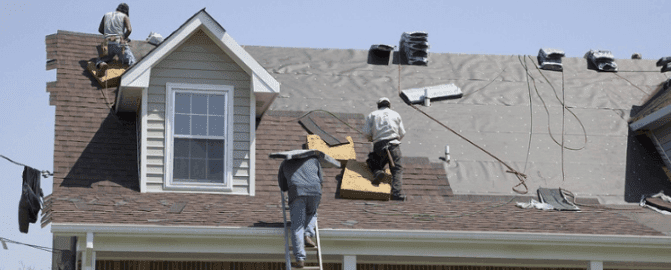
Mend It or Start Fresh With Residential Roof Services Near Services?
College Station Roofers would rather say a roof can be saved than sell a replacement it does not need; the right answer depends on the roof and not on a script.
Ring 979-464-6655; tell us what you have noticed and when it started.
The Question Behind Every Roof Problem
Homeowners facing a damaged roof are really choosing between a targeted repair and a full replacement; neither path is automatically right. A repair makes sense when the damage is limited and the surrounding roof is sound; a replacement is the better choice when repairs would only chase the next failure.
What Shingles Are Telling You
Bare, shiny patches on a shingle mean the mineral surface has worn away; widespread wear leans toward replacement. Daylight visible through the roof boards in the attic means the roof has an opening somewhere; a quick walk through the attic reveals much about the roof above.
Where the Trouble Usually Starts
Most leaks begin at roof details, not in the open field of the roof; a good repair addresses the cause and not just the stain. If the leak is at a vent boot or a bit of flashing, a targeted fix is often the right answer; matching the fix to the cause is what a good roofer does.
Judging a Roof by Its Condition and Its Age
Long, hot summers in the Brazos Valley age asphalt shingles faster than milder climates would; the roof on the house tells more than a number on a brochure. When a roof is near the end of its life, repairs tend to come closer together; a good roofer helps the owner see the pattern.
After a Storm: Triage First, Decisions Second
Hail bruises, lifted shingles and broken limbs may not show from the ground, so a roof inspection is worthwhile; stopping the water comes before settling the plan. Isolated wind damage can be repaired by replacing lifted or missing shingles and resealing the neighbors; a documented inspection helps everyone make a sound decision.
Middle Paths Between Patch and Full Replacement
Sometimes the damage or wear is concentrated on one slope, and replacing just that section is a reasonable option; the choice depends on how much life the rest of the roof has left. Matching is a practical question as well as a cosmetic one, since different products age at different rates; asking what the finished roof will look like is fair.
The Anatomy of a Good Repair
Replacing broken shingles, resealing tabs and redoing flashing are everyday repair tasks; finding the cause is the most important step. Repairs should be photographed so the homeowner can see what was found and what was done; confirmation closes the loop on a repair.
Inside a Roof Replacement
The roof is treated as a complete system, with every layer from deck to ridge made new; every detail can be addressed at once. A roof that has failed in many places is a roof that has finished its work; replacement is a big step, and it can be the right one.
Repair Versus Replace on Other Materials
Tile roofs often need only broken tiles replaced, provided the underlayment beneath is in good condition; the condition of the layers beneath decides the matter.
Timing, Seasons and Planning Ahead
Temporary measures such as tarps are available while a larger decision is being made; the right timing depends on whether water is getting in. A roof checked before storm season gives the owner a chance to fix small things early; an early start avoids the rush.
Roof Decisions for Investment Properties
For a rental, the plan should also cover how tenants will be notified and how access will work; a roof does not care who owns the house, and neither should the care taken.
Clues From the Attic
On a dry day, a flashlight in the attic can show dark stains on the underside of the roof deck; a quick look from inside saves guesswork outside. Widespread staining across many sections suggests that the whole roof has been letting water through; a deck in good shape gives the owner more options.
Oaks, Pecans and the Roof Below
A heavy limb that falls in a storm can puncture shingles, crack the deck or bend flashing; a roof under trees needs a little extra attention.
Documenting the Roof Before You Decide
Take photographs of stains, missing shingles and damaged flashing, along with the date; written details are more reliable than memory.
Disruption in Proportion to the Job
A replacement brings several days of activity, including noise from tear-off and the steady rhythm of hammers; good communication matters as much as good workmanship.
Appearance, Resale and Curb Appeal
A roof covers a large share of what the street sees, so its condition shapes first impressions of a home; the best roof looks right and works right.
Routine Care Between Decisions
Resealing a few lifted tabs and replacing a cracked vent boot are quick jobs that protect the whole roof; a little attention each season goes a long way.
What a Stopgap Can and Cannot Do
Tarps need secure fastening, since a loose one in a spring wind can do more harm than good; quick action in the first hours limits the damage that follows. Coatings can extend the life of some flat roofs, provided the surface beneath is sound; the point of a repair is to stop thinking about it.
Getting a Second Look
A second opinion is a reasonable step when a recommendation feels rushed or unclear; a roof deserves a thorough look.
Binoculars Beat Ladders
Checking from the ground and from the attic covers most of what an owner needs to notice; the roof can be examined without risking a fall.
Making the Decision With Confidence
A fair roofer will explain what a repair would accomplish and what a replacement would accomplish; a recommendation backed by evidence is easy to trust.
The goal is the same either way: a dry, sound house for the seasons ahead. Ask our crew about Residential Roof Services anywhere in Services; questions are always welcome.
Ring 979-464-6655 when you are ready to decide; we will go over the evidence and lay out the options plainly.