
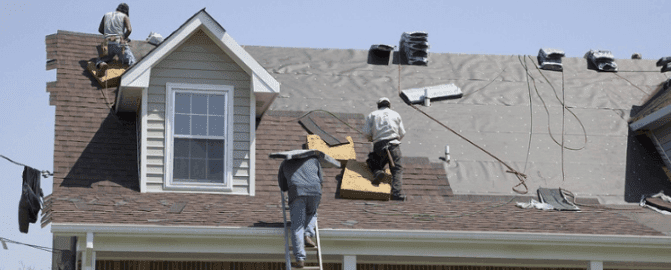
Patch or Replace for Shingle Roof Services in Services?
College Station Roofers looks at what the roof is actually doing and lays out the choices in plain terms; a fair assessment starts with a careful look.
Ring 979-464-6655; tell us what you have noticed and when it started.
Before You Choose Either Path
Homeowners facing a damaged roof are really choosing between a targeted repair and a full replacement; the goal is a dry house, and either path can get there. Patching a limited problem can extend a healthy roof, while patching a failing roof only delays the inevitable; a repair done well can be an excellent decision on the right roof.
Curling, Cracking and Granule Loss
Cracked, split or blistered shingles point to a surface that has been baked by many summers; widespread wear leans toward replacement. Daylight visible through the roof boards in the attic means the roof has an opening somewhere; looking from inside and outside gives the full picture.
Details Behind a Surprising Number of Repairs
Cracked rubber boots around plumbing vents are a frequent cause of small, persistent drips; a good repair addresses the cause and not just the stain. A repair at one of these points can give a sound roof many more seasons of service; the roof does not have to be replaced because one part has failed.
Judging a Roof by Its Condition and Its Age
Intense sun dries out the asphalt in shingles, making them brittle and more likely to crack; condition matters more than the calendar alone. When a roof is near the end of its life, repairs tend to come closer together; the aim is peace of mind and not a never-ending project.
Hail, Wind and Fallen Limbs
After severe weather, the first step is to protect the house from further water, not to decide on a final plan; temporary protection is quick and keeps options open. If damage is limited to one slope or section, a targeted repair may be enough; storm damage can be anywhere from minor to complete.
Replacing Part of a Roof
A section replaced on its own has to be tied in carefully to the older roof around it; a middle path can be the best path. Discontinued shingle lines can make an exact match impossible, which is worth knowing before work begins; asking what the finished roof will look like is fair.
Fixing a Roof the Right Way
Replacing broken shingles, resealing tabs and redoing flashing are everyday repair tasks; finding the cause is the most important step. After the work, a water test or a check after the next rain confirms that the leak is gone; a repair is only worth doing if it holds.
Inside a Roof Replacement
The roof is treated as a complete system, with every layer from deck to ridge made new; a full replacement is a project worth planning carefully. When a roof has multiple layers and widespread wear, a full tear-off is the cleanest solution; knowing the roof is sound brings real peace of mind.
Metal, Membrane and Tile Questions
Wood shingles may be repaired by replacing split pieces, though widespread decay points toward replacement; a roofer familiar with the material gives the best guidance.
Acting Before the Next Storm Season
A small leak is best handled right away, since water damage grows quietly inside walls and ceilings; time to plan is a real advantage when a roof is not leaking. Late summer and fall are popular for planned replacements, as the weather is steadier and calendars are friendlier; an early start avoids the rush.
Making the Call on a Property You Do Not Live In
A landlord weighing a repair against a replacement can ask for both options in writing, with the reasons; good documentation makes distance irrelevant.
Looking at the Roof From Underneath
On a dry day, a flashlight in the attic can show dark stains on the underside of the roof deck; attic findings help decide how deep the trouble goes. Widespread staining across many sections suggests that the whole roof has been letting water through; wood condition is one of the strongest clues in the decision.
Trees, Limbs and Debris
Shaded sections of roof stay damp longer and grow algae and moss more readily; tree damage can be dramatic or quiet, and both deserve a look.
Photos and Notes That Help
Pictures of each slope from the yard make it easy to compare conditions over time; good notes make a short conversation far more productive.
Planning the Household Around the Work
Families with pets, infants or night-shift workers can plan quiet spaces for the noisy hours; disruption is temporary and the result lasts.
Appearance and the Decision
Patches in a different shade can stand out against an older roof, which matters to some owners more than others; a clean, even surface says something about the care a home has received.
A Maintenance Mindset
Trimming trees, removing debris and cleaning off moss slow the wear on a roof; maintenance is the quiet way to get the most from a roof.
What a Stopgap Can and Cannot Do
Temporary patches stop active leaks so that insulation and ceilings are not soaked during a long decision; protecting the interior comes first and the permanent plan second. A temporary seal that keeps cracking is a sign that the area needs a proper repair or a larger plan; the point of a repair is to stop thinking about it.
Two Sets of Eyes
A second visit can confirm a diagnosis or point to something the first look missed; a careful roofer will not mind being checked.
Staying Safe While You Check Your Roof
Walking the yard after a storm shows shingle debris, fallen limbs and dents in gutters; a professional look can follow whatever the ground check suggests.
How to Get a Fair Recommendation
A trustworthy assessment names what is known, what is uncertain and what would change the advice; honest answers come easily to those who have looked closely.
The goal is the same either way: a dry, sound house for the seasons ahead. We are happy to talk through Shingle Roof Services for any home in Services; no roof question is too small to ask.
Phone 979-464-6655 to have the roof looked at; our crew will climb up, inspect the roof and explain what they find.