
Mend It or Start Fresh With The Best Residential Roof Repair Near Services?
College Station Roofers would rather say a roof can be saved than sell a replacement it does not need; the homeowner makes the decision with full information.
Phone 979-464-6655; give us the address and a short description of what is going on.
Framing the Decision
Almost every roof problem leads to the same fork in the road: fix the trouble spot or start over with a new surface; the goal is a dry house, and either path can get there. A repair makes sense when the damage is limited and the surrounding roof is sound; a replacement is the better choice when repairs would only chase the next failure.
What Shingles Are Telling You
Shingles that curl at the edges or cup in the middle are showing the effects of age and heat; the pattern matters more than any one shingle. Moss and lichen hold moisture against shingles and can lift their edges over time; looking from inside and outside gives the full picture.
Weak Spots That Cause Most Leaks
Most leaks begin at roof details, not in the open field of the roof; a thorough roofer checks every one of them. If the leak is at a vent boot or a bit of flashing, a targeted fix is often the right answer; the roof does not have to be replaced because one part has failed.
Judging a Roof by Its Condition and Its Age
A roof that has simply worked for a long time may be near the end of its service whatever the repairs show; condition matters more than the calendar alone. A roof that needs patching again and again is telling the owner something; the trend matters as much as the latest leak.
First Steps When Weather Has Struck
Hail bruises, lifted shingles and broken limbs may not show from the ground, so a roof inspection is worthwhile; a thorough check finds the damage that matters. If damage is limited to one slope or section, a targeted repair may be enough; repair and replacement are each legitimate outcomes after a storm.
When Only One Slope Needs Work
A section replaced on its own has to be tied in carefully to the older roof around it; the choice depends on how much life the rest of the roof has left. Even identical products show a difference between a fresh slope and a weathered one; a sample on the roof beats a description.
How Small Jobs Get Done Right
The repair itself may be as simple as replacing a vent boot or as involved as rebuilding a section of flashing; the cause and the symptom live in different places. Mismatched materials, mismatched fasteners and mismatched techniques lead to repeat failures; confirmation closes the loop on a repair.
What a Replacement Involves
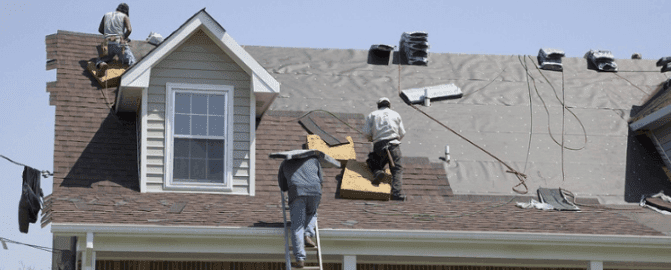
A full replacement removes the old roofing, repairs the deck as needed and installs new underlayment, flashing and surface; every detail can be addressed at once. If repairs are piling up, a replacement ends the cycle of patches; knowing the roof is sound brings real peace of mind.
Repair Versus Replace on Other Materials
Tile roofs often need only broken tiles replaced, provided the underlayment beneath is in good condition; a roofer familiar with the material gives the best guidance.
Choosing the Right Moment
Scheduling work outside the busiest storm weeks leaves more choices open; time to plan is a real advantage when a roof is not leaking. Roofs that were stressed by summer heat show their weak points clearly by autumn; an early start avoids the rush.
Deciding From a Distance
For a rental, the plan should also cover how tenants will be notified and how access will work; good documentation makes distance irrelevant.
What the Underside of a Roof Reveals
Daylight pinpricks around vents and chimneys show gaps that rain can follow; attic findings help decide how deep the trouble goes. A deck that feels spongy underfoot has lost strength and will need replacing in that area; the attic tells the story the shingles cannot.
Oaks, Pecans and the Roof Below
A heavy limb that falls in a storm can puncture shingles, crack the deck or bend flashing; tree damage can be dramatic or quiet, and both deserve a look.
Documenting the Roof Before You Decide
Save the dates of past repairs and any notes about materials used; a clear record helps a roofer understand the history.
Noise, Dust and Daily Routines
Cars should be parked away from the house on work days so the crew has room for materials and debris; a few preparations make the job smoother for everyone.
Appearance and the Decision
Buyers and inspectors both look closely at roofs, and visible problems raise questions; a clean, even surface says something about the care a home has received.
Keeping Repairs Rare
Clearing gutters and valleys each season keeps water moving and keeps moisture off the shingles; a little attention each season goes a long way.
Buying Time for a Thoughtful Choice
Tarps need secure fastening, since a loose one in a spring wind can do more harm than good; protecting the interior comes first and the permanent plan second. Lasting repairs rely on replacing the failed part, not covering it; a lasting fix addresses the cause and not just the symptom.
Confirming a Diagnosis
Different roofers may weigh the same evidence in different ways, and that is a good reason to ask more than one; a careful roofer will not mind being checked.
Observation Without the Risk
A homeowner can learn a lot from the ground, using binoculars to look at ridges, valleys and flashing; safe observation gathers plenty of evidence.
Making the Decision With Confidence
Ask how long a proposed repair is expected to hold and what would be the next sign of trouble; honest answers come easily to those who have looked closely.
Whether the roof needs a patch or a new start, the best decision is the one based on what the roof is actually showing. Our team will help you weigh your options on The Best Residential Roof Repair near Services; a short conversation can settle a lot of uncertainty.
Call 979-464-6655 to talk through what you have noticed; a person will answer and help you take the next step.