
What Should Happen Next With Tile Roof Services Across Services?
College Station Roofers helps homeowners decide between patching a roof and putting a new one on; honest advice is the starting point for any good plan.
Phone 979-464-6655; tell us what you have noticed and when it started.
Framing the Decision
Whenever a roof shows trouble, there are two honest paths: repair what is wrong or replace the whole surface; neither path is automatically right. A repair makes sense when the damage is limited and the surrounding roof is sound; a repair done well can be an excellent decision on the right roof.
Surface Signals Worth Noticing
Cracked, split or blistered shingles point to a surface that has been baked by many summers; the surface shows its age long before the leaks arrive. Daylight visible through the roof boards in the attic means the roof has an opening somewhere; looking from inside and outside gives the full picture.
Weak Spots That Cause Most Leaks
Exposed nail heads and failed sealant at roof edges let moisture reach the deck below; repairing these spots can protect a roof that is otherwise sound. When the roof around a leak is in good shape, repairing the leak is the sensible move; the roof does not have to be replaced because one part has failed.
How Old Is Too Old?
Attic heat bakes shingles from below while the sun heats them from above; careful inspection beats guesswork. A pattern of repeated leaks in different places suggests a surface that is failing overall; a fresh start can be the most practical choice.
First Steps When Weather Has Struck
Spring storms here bring hail, straight-line winds and falling limbs, and all three can damage a roof; damage can hide in places that are hard to see from the yard. When hail has bruised most of the surface, replacement is often the more durable path; a documented inspection helps everyone make a sound decision.
When Only One Slope Needs Work
A section replaced on its own has to be tied in carefully to the older roof around it; a slope can be replaced cleanly when the work is planned well. A partial job leaves the older sections to wear out on their own schedule; the owner should hear the tradeoffs before choosing.
The Anatomy of a Good Repair
Water can travel along rafters and decking before it shows up inside, so the leak and the stain are often apart; a fix at the wrong spot does not stop the leak. Repairs should be photographed so the homeowner can see what was found and what was done; shortcuts show up again in the next storm.
The Scope of a Full Roof Replacement
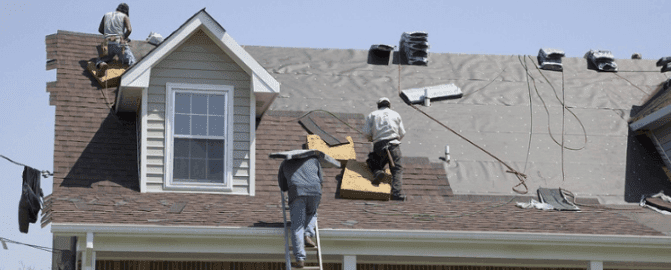
A replacement project usually takes a few days, and the crew works through a set sequence from tear-off to cleanup; a full replacement is a project worth planning carefully. If repairs are piling up, a replacement ends the cycle of patches; replacement is a big step, and it can be the right one.
Different Surfaces, Different Answers
Each roofing material has its own signs of age, and each has its own repair options; a roofer familiar with the material gives the best guidance.
Choosing the Right Moment
A roof that is only aging, with no active leaks, gives the owner time to plan; time to plan is a real advantage when a roof is not leaking. A roof checked before storm season gives the owner a chance to fix small things early; a calm schedule leads to calmer work.
Rentals, Landlords and Remote Ownership
Owners of rental homes face the same repair-or-replace choice, often with less chance to see the roof themselves; a roof does not care who owns the house, and neither should the care taken.
Looking at the Roof From Underneath
Damp insulation, rusty nail tips and water trails on rafters mark places where moisture has been coming in; attic findings help decide how deep the trouble goes. Rafters and decking that look dry and clean point toward a roof with life left in it; wood condition is one of the strongest clues in the decision.
Trees, Limbs and Debris
Shaded sections of roof stay damp longer and grow algae and moss more readily; a roof under trees needs a little extra attention.
Documenting the Roof Before You Decide
Keep a simple record of when the roof was installed, if that information is known; a small file of information can save a long discussion.
Planning the Household Around the Work
A crew that tells the household what to expect each morning makes the project easier to live with; disruption is temporary and the result lasts.
How the Roof Looks From the Street
Buyers and inspectors both look closely at roofs, and visible problems raise questions; a clean, even surface says something about the care a home has received.
Small Habits That Stretch a Roof's Life
Resealing a few lifted tabs and replacing a cracked vent boot are quick jobs that protect the whole roof; maintenance is the quiet way to get the most from a roof.
What a Stopgap Can and Cannot Do
A stopgap repair is meant to protect the house, not to stand in for a lasting solution; time bought by a good stopgap is worth using wisely. Sealant smeared over a crack may stop a drip for a week, but it rarely lasts through a hot summer; good roofers know where a patch ends and a repair begins.
Seeking Another Perspective on the Roof
Different roofers may weigh the same evidence in different ways, and that is a good reason to ask more than one; differences in findings are worth a follow-up question.
Looking From the Ground Is Enough to Start
Checking from the ground and from the attic covers most of what an owner needs to notice; leave the climbing to the people with the harnesses.
Questions That Surface the Honest Answer
A trustworthy assessment names what is known, what is uncertain and what would change the advice; confidence comes from understanding the reasons.
Repair and replacement are both good answers when they match the facts on the roof. Our crew is glad to go over Tile Roof Services with homeowners around Services; no roof question is too small to ask.
Dial 979-464-6655 and tell us about the trouble; a person will answer and help you take the next step.