
What Should Happen Next With Residential Roofs Across Hearne Texas?
College Station Roofers looks at what the roof is actually doing and lays out the choices in plain terms; a fair assessment starts with a careful look.
Call 979-464-6655; let us know where the trouble is and we will arrange a look.
The Question Behind Every Roof Problem
Whenever a roof shows trouble, there are two honest paths: repair what is wrong or replace the whole surface; good decisions begin with good information. The right choice balances what is wrong, how much of the roof it affects and how much life remains; a replacement is the better choice when repairs would only chase the next failure.
Visible Clues From the Yard
Shingles that are missing, lifted or lying in the yard are an obvious sign that something has let go; curling across a whole slope points to age more than to a single bad shingle. Dark streaks on a roof are usually algae, which thrives in humid climates and affects looks more than leak resistance; a flashlight and ten minutes can say more than a guess from the yard.
Flashing, Vents and Valley Metal
Flashing around chimneys, walls and skylights is a common source of leaks on roofs of every age; the details are small and the consequences can be large. A small detail failure on a young roof is a repair, not a reason to replace; matching the fix to the cause is what a good roofer does.
Age, Heat and the Life of a Roof
Every roof material has a typical working life, but local weather can shorten or extend it; condition matters more than the calendar alone. Spending more and more on repairs for an old roof can add up to a poor decision; the trend matters as much as the latest leak.
Sorting Out Storm Damage
Spring storms here bring hail, straight-line winds and falling limbs, and all three can damage a roof; stopping the water comes before settling the plan. Isolated wind damage can be repaired by replacing lifted or missing shingles and resealing the neighbors; storm damage can be anywhere from minor to complete.
Sections, Slopes and Partial Replacement
A partial replacement can make sense when one slope has failed and the rest of the roof is in decent shape; matching color and wear is the main challenge of a partial job. A partial job leaves the older sections to wear out on their own schedule; the owner should hear the tradeoffs before choosing.
How Small Jobs Get Done Right
The repair itself may be as simple as replacing a vent boot or as involved as rebuilding a section of flashing; a good repair addresses the problem and does not simply hide it. A lasting repair uses materials suited to the roof, not whatever is handy; a repair is only worth doing if it holds.
Starting Over With a New Roof
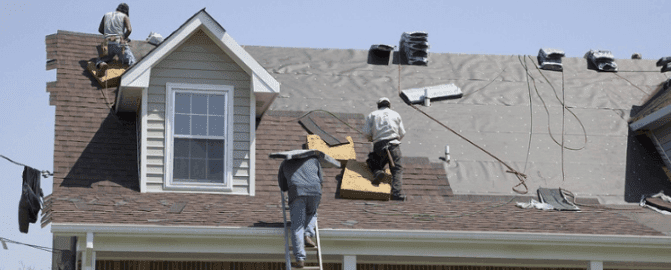
A replacement project usually takes a few days, and the crew works through a set sequence from tear-off to cleanup; the open roof is a chance to fix everything at once. If repairs are piling up, a replacement ends the cycle of patches; a well-planned replacement pays off over a long stretch of seasons.
When the Roof Is Not Shingles
Tile roofs often need only broken tiles replaced, provided the underlayment beneath is in good condition; matching the approach to the surface prevents wasted effort.
When to Act and When to Wait
A small leak is best handled right away, since water damage grows quietly inside walls and ceilings; time to plan is a real advantage when a roof is not leaking. Spring brings storms and a rush of calls, so scheduling can take longer; an early start avoids the rush.
Roof Decisions for Investment Properties
For a rental, the plan should also cover how tenants will be notified and how access will work; written options make the decision easier and the record cleaner.
Looking at the Roof From Underneath
A sagging section of deck is a serious sign that wood has been wet for a long time; the underside of a roof is as honest as the top. If the damage is limited to one area, repair is a reasonable plan; the attic tells the story the shingles cannot.
Leaf Litter and Limb Damage
Overhanging limbs scrape shingles in the wind and drop acorns, pecans and leaves onto the surface; shade and moisture are slow but steady causes of wear.
Keeping Records of What You Find
Take photographs of stains, missing shingles and damaged flashing, along with the date; good notes make a short conversation far more productive.
What to Expect at Home Either Way
A replacement brings several days of activity, including noise from tear-off and the steady rhythm of hammers; disruption is temporary and the result lasts.
Looks Matter Too
A home that will soon be sold may benefit from a roof that looks and performs well; a clean, even surface says something about the care a home has received.
Keeping Repairs Rare
Clearing gutters and valleys each season keeps water moving and keeps moisture off the shingles; a roof that is looked after tends to last.
Tarps, Patches and Stopgaps
Emergency protection is a first step and gives the owner room to think clearly; time bought by a good stopgap is worth using wisely. A temporary seal that keeps cracking is a sign that the area needs a proper repair or a larger plan; a repair that has to be redone every season is no repair at all.
Seeking Another Perspective on the Roof
When two roofers reach the same conclusion on their own, the owner can feel confident in the plan; agreement between independent looks is reassuring.
Looking From the Ground Is Enough to Start
Checking from the ground and from the attic covers most of what an owner needs to notice; sturdy binoculars are a safe and useful tool.
How to Get a Fair Recommendation
It is reasonable to ask for the repair option and the replacement option to be described side by side; a recommendation backed by evidence is easy to trust.
A roof tells its story through shingles, flashing, attic and ceilings, and a careful reader can follow it. Our crew is glad to go over Residential Roofs with homeowners around Hearne Texas; good decisions start with good information.
Dial 979-464-6655 and tell us about the trouble; our team will listen first and then arrange a careful look at the roof.